Primitive Reflex Integration
The Way of Flow: Movement & Energy
A Neurological “Reset” for Stability & Focus

Is Primitive Reflex Integration the Right “Doorway” for Your Child?
Primitive Reflex Integration serves as a "missing-link doorway". It is particularly effective for children who:
Struggle with ADHD or sensory processing issues
Exhibit poor posture or "toe-walking"
Experience "zero-to-sixty" emotional outbursts that feel like a reflex
Have difficulty sitting still or tracking words on a page
The Promise
Primitive Reflex Integration provides a neurological "reset" that completes the unfinished movements of infancy. By using specific, rhythmic movements, we tell the brain, "The job is done; you can let go now". This practice of vitality and authenticity frees your child from involuntary reactions they cannot control, allowing higher brain functions to finally take the lead.
The Soulful Science
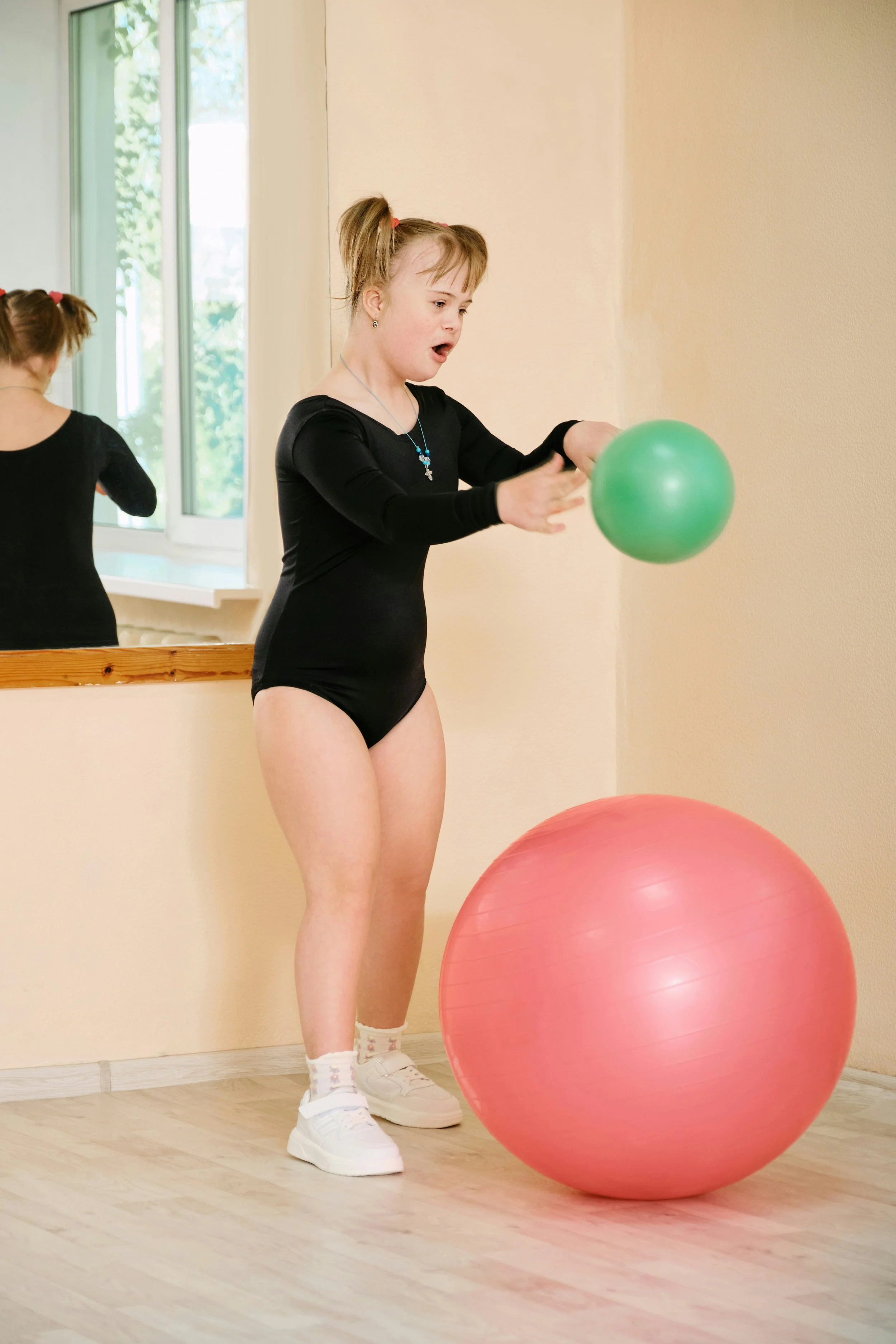
Primitive Reflexes are involuntary movements that help a baby survive and develop in the first months of life. These reflexes live in the brainstem, the most primitive part of the brain.
Normally, these merge into the brain as higher functions take over. If they remain "retained," the brain constantly defaults to "Survival" rather than "Logic". Research shows that specific, repetitive movements create myelination (insulation) on the neural pathways, allowing signals to finally reach the prefrontal cortex for better emotional and cognitive control.
What to Expect
A professional integration session focuses on identifying which "survival loops" are still active and providing a "map" for rewiring:
The Assessment: A practitioner (often a Functional Neurologist or specialized Occupational Therapist) will check for specific physical triggers that elicit involuntary movements.
The Integration Portals: You will be guided through simple, slow movements.
The Focus on Slowness: Speed is the enemy of integration. If a movement is shaky or fast, the brain is "cheating". A session teaches the child how to move with the extreme slowness required for deep neurological change.
Consistency over Duration: Because neuroplasticity requires "frequent, small doses," a session usually prepares you for 5–10 minutes of "Brain-Body Homework" to be done daily at home.
The Golden Window
A targeted focus for kids aged 6-12
In the school-aged window, retained reflexes often masquerade as behavioral struggles:
The "Fidget" Fix: Integrating the Spinal Galant reflex can help a 9-year-old who "wiggles" constantly in their chair finally find stillness.
The Reading Bridge: For the 11-year-old whose eyes "jump" across the page, integrating the ATNR (Asymmetrical Tonic Neck Reflex) can smooth out reading tracking.
The Anxiety Anchor: Integrating the Moro (Startle) reflex helps a 12-year-old move out of a constant state of "fight-or-flight" during social navigation.
Explore More Resources
If you are curious about exploring Primitive Reflex Integration for your child, here are some resources to help you take the next step:
The Experts
The Institute for Neuro-Physiological Psychology (INPP): A leading organization in the study and clinical application of reflexes for learning and behavior.
Brain Gym®: A program that uses physical movements to help integrate the brain and body, focusing on learning readiness and coordination.
Pathways.org: A non-profit providing resources on child development and simple therapeutic techniques.
Books & Guides
The Out-of-Sync Child by Carol Stock Kranowitz: Provides essential background for understanding the sensory challenges that often stem from retained reflexes.
The Whole-Brain Childby Daniel J. Siegel, M.D. and Tina Payne Bryson, Ph.D.: While not a yoga book, this is essential for understanding the neuro-integration that Yoga facilitates.
Listen & Watch
*A Note on Our Book Links: We are strong advocates for supporting local libraries, independent booksellers, and specialist retailers whenever you can. But we’re also realists and busy caregivers! We know that sometimes Amazon is the quickest, most practical lifeline for a busy family. Please note that Focused Intentional Things (FIT) is an Amazon Affiliate; if you choose to purchase a book through our links, we receive a small commission that helps keep our resources growing, at no extra cost to you.
From One Caregiver to Another: We love sharing the tools, books and organizations that have inspired and educated us, but we haven't personally read, watched, listened to or validated every single piece of information they contain. Remember, you are the Lead Curator of your child’s health. Please use your personal discretion, trust your intuition, and always partner with your pediatrician or a qualified practitioner to ensure these tools are the right fit for your family’s unique journey.