Play Therapy
The Way of Expression: Creative Soul
The Natural Language of Childhood

Is Play Therapy the Right “Doorway” for Your Child?
Play Therapy serves as the universal doorway. It is particularly effective for children who:
Are dealing with major life transitions (divorce, moving, a new sibling)
Struggle with social skills or "big" behavioral outbursts
Have difficulty identifying or expressing their specific needs
Are "shut down" or resistant to direct questioning
The Promise
Play Therapy is a structured, evidence-based approach to counseling that allows children to act out their internal conflicts, fears, and hopes in a safe, metaphoric environment. In the Heal Kids Whole philosophy, play is the ultimate expression of vitality. It gives children agency over their experiences, and allows them to rewrite the ending of a scary story or practice a difficult social encounter through the safety of a character.
The Soulful Science
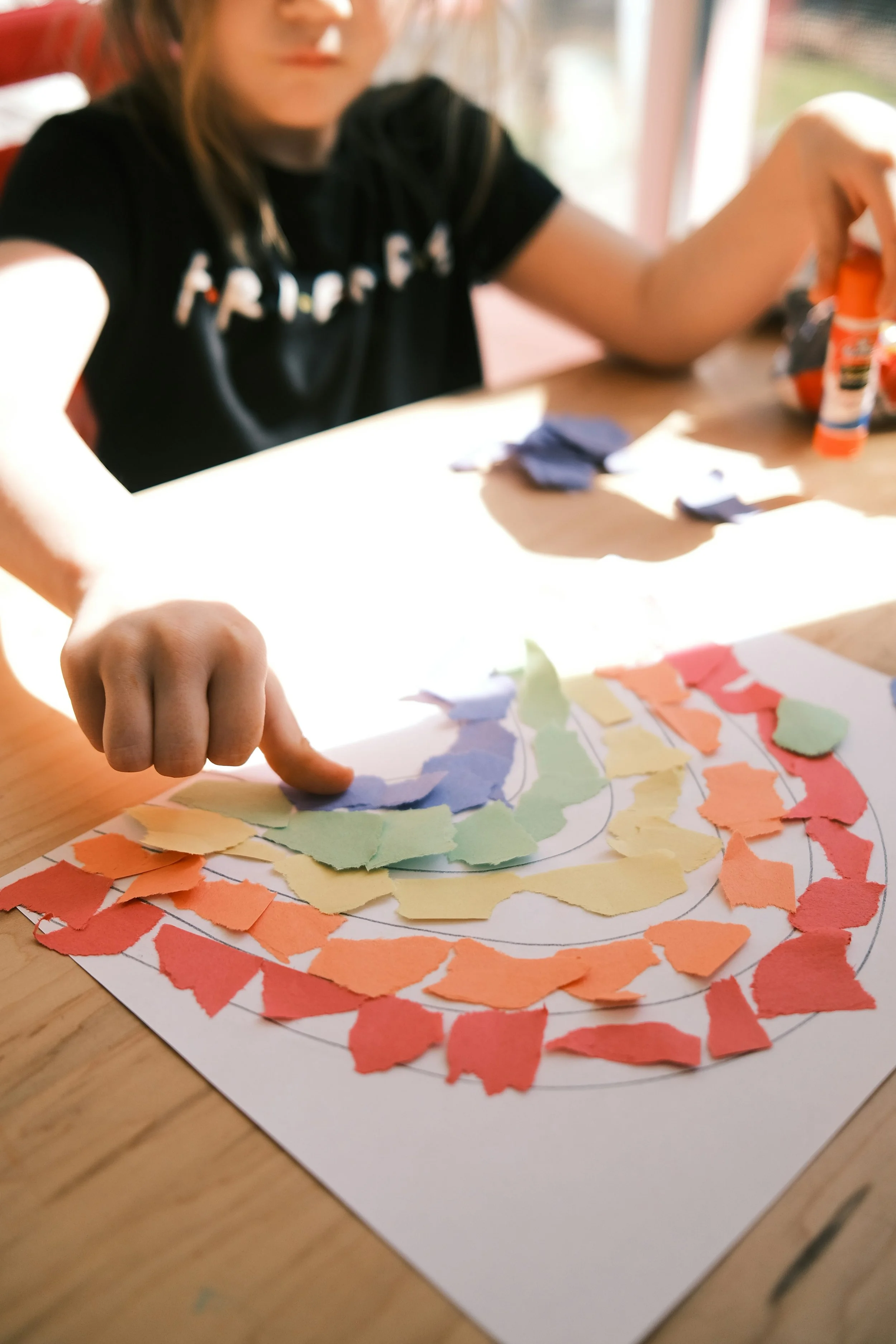
Play is a biological imperative. It is how all mammals learn and heal.
Modern neurobiology shows that play activates the "Social Engagement System." When a child is in a state of play, their brain is at its most plastic and receptive. Play therapy helps bridge the gap between the limbic system (where emotions live) and the prefrontal cortex (where logic lives), allowing the child to integrate difficult memories and "reset" their nervous system in a state of joy.
What to Expect
A professional Play Therapy session takes place in a "Special Playroom" designed to encourage expression:
The Child-Centered Lead: The therapist usually follows the child’s lead. If the child wants to build a fortress, the therapist observes and reflects the feeling of the play: "That fortress looks very strong and safe."
The Toy Toolkit: The room is filled with specific categories of toys: "nurturing" toys (dolls, kitchen), "aggressive" toys (soldiers, foam swords), and "creative" toys (sand, art supplies).
The Metaphoric Mirror: The therapist acts as a "mirror," narrating the play so the child hears their own internal story reflected back to them. This builds the child’s "Observer Self."
The Safe Boundaries: While the play is free, there are clear boundaries (e.g., "you can’t hit the therapist"), which helps the child learn self-regulation and safety.
The Golden Window
A targeted focus for kids aged 6-12
As children move through their school years, play shifts from simple imitation to complex, symbolic storytelling:
The "Power Shift" Play: For the 8-year-old feeling powerless at school, playing "teacher" or "boss" in the playroom allows them to safely explore authority and authenticity.
The Social Rehearsal: For the 10-year-old struggling with friendships, using puppets to act out a playground conflict provides a low-stakes way to practice empathy and belonging.
The Emotional Release: For the 12-year-old, "sand tray" therapy—using small figures to create a scene in the sand—helps them visualize internal "clutter" that they can't yet put into words.
Explore More Resources
If you are curious about exploring Play Therapy for your child, here are some resources to help you take the next step:
The Experts
Association for Play Therapy (APT): The primary organization for finding Registered Play Therapists (RPT) who have extensive training in this modality.
The Center for Play Therapy (University of North Texas): Provides research, training, and resources for parents and professionals on the impact of play on child development.
Pathways.org: Offers insights into how different types of play support sensory and motor development throughout the Golden Window.
National Coalition of Creative Arts Therapies Associations: Fostering collaboration, and raising awareness to advance the creative arts therapies professions.
Books & Guides
Play Therapy: The Art of the Relationship by Garry L. Landreth: The definitive guide for understanding the philosophy and practice of child-centered play therapy.
The Whole-Brain Childby Daniel J. Siegel, M.D. and Tina Payne Bryson, Ph.D.: Offers insights into how physical "upstairs/downstairs" brain integration is supported by active play and motion.
Listen & Watch
The Play Therapy Podcast: Hosted by Dr. Brenna Hicks, the podcast offers practical advice for parents on using play therapy principles at home.
Lessons from the Playroom Podcast: Hosted by Lisa Dion LPC, RPT, Founder and President of the Synergetic Play Therapy Institute and the creator of Synergetic Play Therapy®
*A Note on Our Book Links: We are strong advocates for supporting local libraries, independent booksellers, and specialist retailers whenever you can. But we’re also realists and busy caregivers! We know that sometimes Amazon is the quickest, most practical lifeline for a busy family. Please note that Focused Intentional Things (FIT) is an Amazon Affiliate; if you choose to purchase a book through our links, we receive a small commission that helps keep our resources growing, at no extra cost to you.
From One Caregiver to Another: We love sharing the tools, books and organizations that have inspired and educated us, but we haven't personally read, watched, listened to or validated every single piece of information they contain. Remember, you are the Lead Curator of your child’s health. Please use your personal discretion, trust your intuition, and always partner with your pediatrician or a qualified practitioner to ensure these tools are the right fit for your family’s unique journey.