Meditation & Visualization
The Way of Stillness: Mind & Breath
Planting Seeds of Peace in the Inner Garden

Is Meditation and Visualization the Right “Doorway” for Your Child?
Meditation and visualization serve as an essential doorway. It is particularly effective for children who:
Are highly sensitive
Struggle with sleep onset
Face the "mental clutter" of a digital, fast-paced world
Need to build an "attention muscle" through focus training
The Promise
Meditation and visualization provide a practice of internal landscaping that teaches your child how to quiet the noise of the world and use the power of their imagination to create a sanctuary of peace and potential. It is a practice of authenticity, allowing children to observe their thoughts without being swept away by them.
The Soulful Science
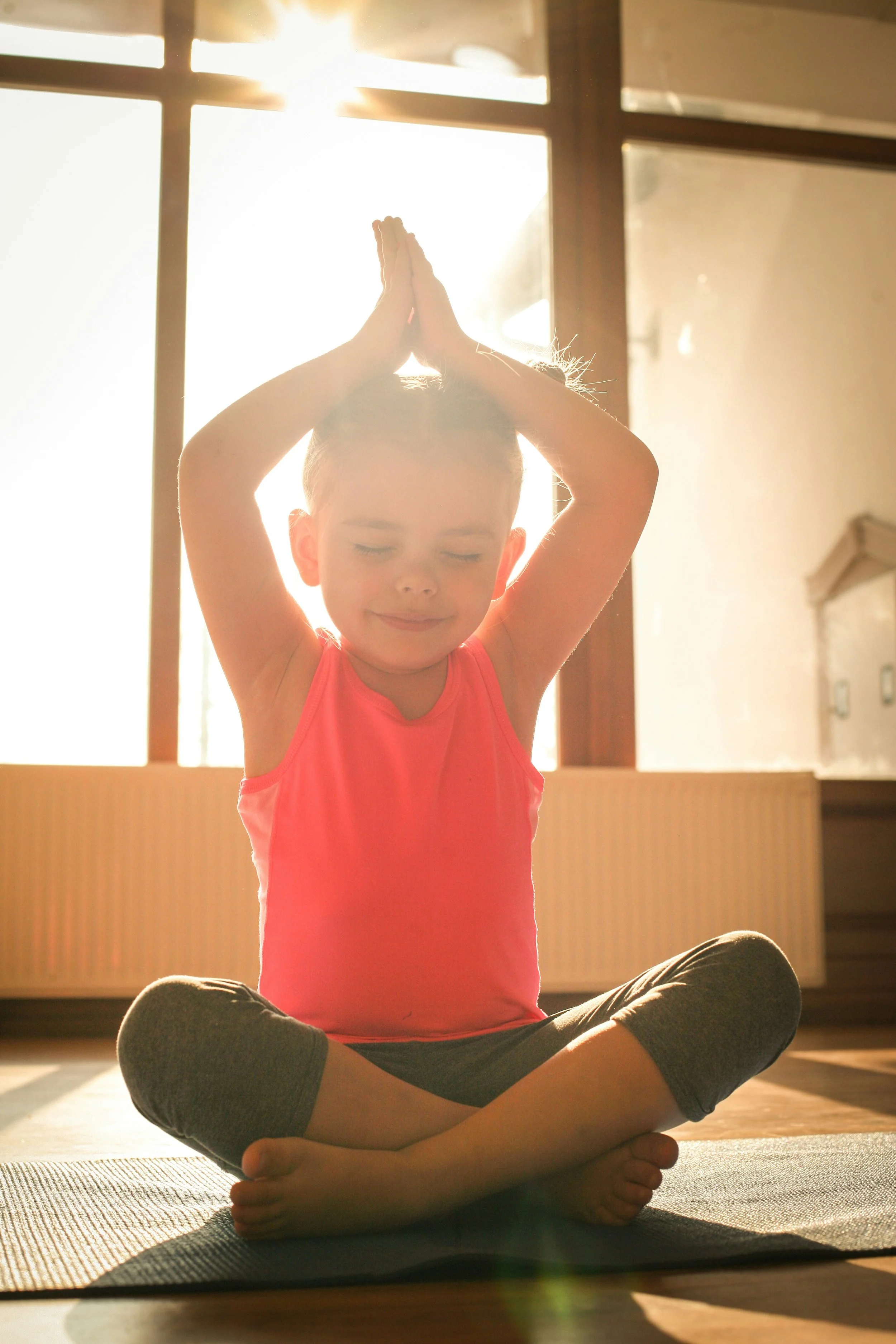
These practices span thousands of years, from Eastern traditions to Western contemplative methods.
Modern neuroscience shows that regular meditation thickens the prefrontal cortex (the seat of logic and emotional regulation) and shrinks the amygdala (the fear center).
Visualization works through "Mental Rehearsal"; because the brain often cannot distinguish between a vividly imagined event and a real one, we can literally "train" the nervous system for calm by picturing it.
What to Expect
A session is quiet, cerebral, and imaginative:
Setting the Sanctuary: We use tactile anchors like a specific meditation cushion or a "listening stone" to signal it is time to go "within".
The "Cloud" Meditation (Observation): The child imagines their thoughts are clouds floating across a blue sky. They don't try to stop the clouds; they just watch them pass by.
The "Safe Place" Visualization (Direction): We guide the child to a place where they feel completely safe—a forest, beach, or castle. We ask them to describe the colors, sounds, and "feeling" of the air.
Micro-Meditation: For kids, we start small. Just 3 to 5 minutes of focused stillness is a massive success for their vitality.
The Golden Window
A targeted focus for kids aged 6-12
As your child’s cognitive abilities expand, these practices move from simple relaxation into tools for Self-Mastery:
The "Focus" Training: For the 9-year-old, meditation is about returning to a single point (like the breath) every time the mind wanders.
The Performance Anchor: For the 11-year-old, using visualization before a game or recital helps them "see" their success, preparing the brain for the actual event.
The Social Shield: For the 12-year-old, visualizing an "energy bubble" or "shield of light" helps them maintain their own spirit when navigating difficult peer dynamics
Explore More Resources
If you are curious about exploring Meditation & Visualization for your child, here are some resources to help you take the next step:
The Experts
MindUP (The Hawn Foundation): Integrates neuroscience, mindfulness, and positive psychology to help children focus and manage stress.
InnerKids: Uses simple meditation, movement, and play to teach emotional regulation and awareness.
Books & Guides
The Whole-Brain Child by Daniel J. Siegel, M.D. and Tina Payne Bryson, Ph.D.: Provides science-backed strategies for handling fears by integrating different parts of the brain.
Everyday Blessings: The Inner Work of Mindful Parenting by Myla and Jon Kabat-Zinn: An in-depth guide to developing your own mindfulness practice as a parent.
Healing Stories for Challenging Behaviour by Susan Perrow: A practical guide to using therapeutic storytelling—a powerful tool for communicating emotional concepts.
Listen & Watch
Mindful Mama Podcast: Focuses on applying mindfulness to the everyday stresses of parenting.
*A Note on Our Book Links: We are strong advocates for supporting local libraries, independent booksellers, and specialist retailers whenever you can. But we’re also realists and busy caregivers! We know that sometimes Amazon is the quickest, most practical lifeline for a busy family. Please note that Focused Intentional Things (FIT) is an Amazon Affiliate; if you choose to purchase a book through our links, we receive a small commission that helps keep our resources growing, at no extra cost to you.
From One Caregiver to Another: We love sharing the tools, books and organizations that have inspired and educated us, but we haven't personally read, watched, listened to or validated every single piece of information they contain. Remember, you are the Lead Curator of your child’s health. Please use your personal discretion, trust your intuition, and always partner with your pediatrician or a qualified practitioner to ensure these tools are the right fit for your family’s unique journey.