Therapeutic Touch & Massage
The Way of Connection: The Body
Anchoring the Body in Safety and Belonging
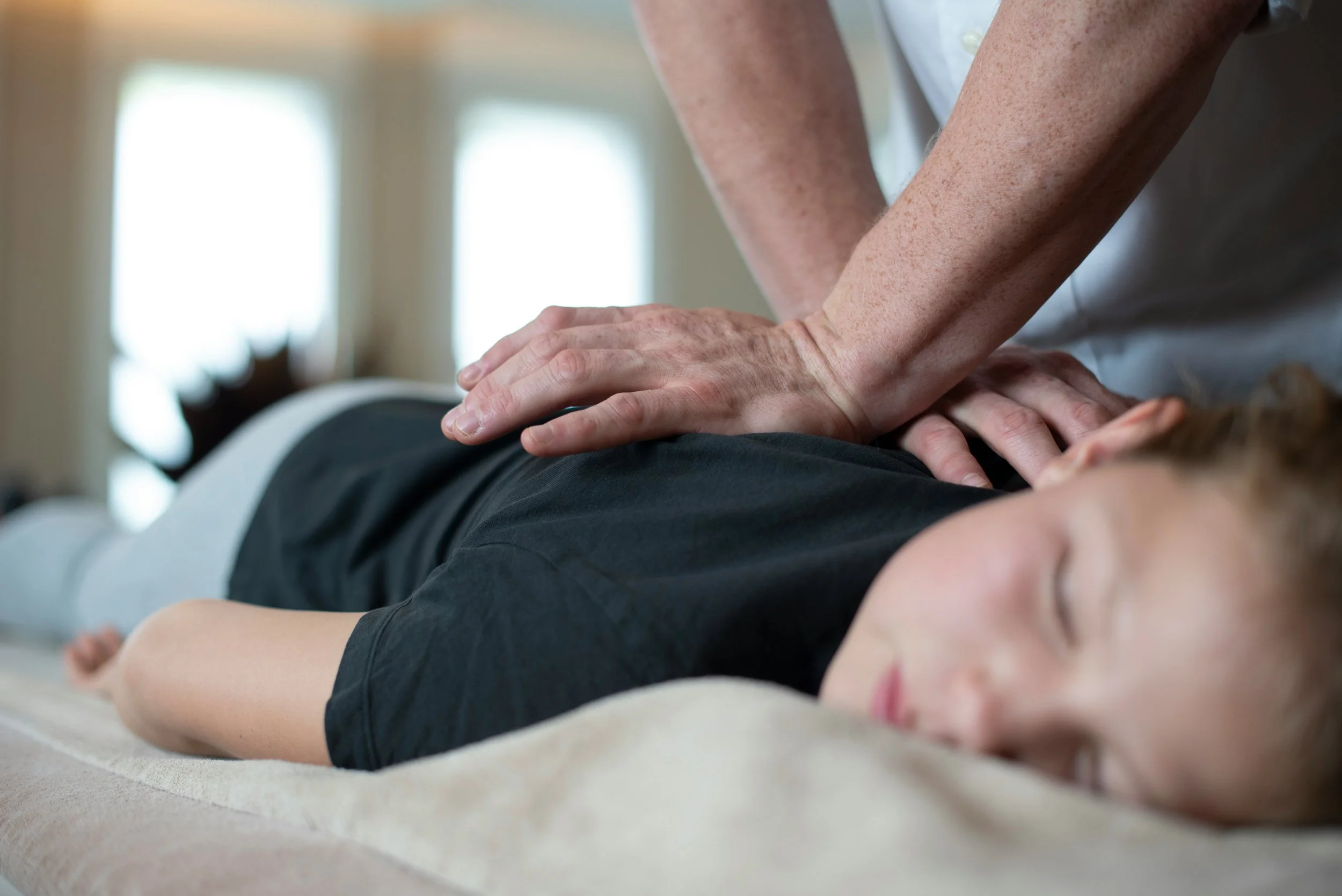
Is Therapeutic Touch and Massage the Right “Doorway” for Your Child?
Therapeutic touch serves as a doorway to non-verbal belonging. It is particularly effective for children who:
Come home overstimulated by the demands of their day.
Feel "disconnected" from their body or clumsy in their movements.
Struggle with physical tension, headaches, or "growing pains".
Seem to need more grounding, tactile touch, or physical reassurance.
The Promise
Nurturing touch is an intentional act of respectful communication. It is a practice of rhythmic touch that anchors your child in safety, lowers the "noise" of the world, and opens the doorway to non-verbal belonging. By using rhythmic strokes, the nervous system is stimulated to move out of "Fight or Flight" and into a state of "Rest and Digest".
The Soulful Science
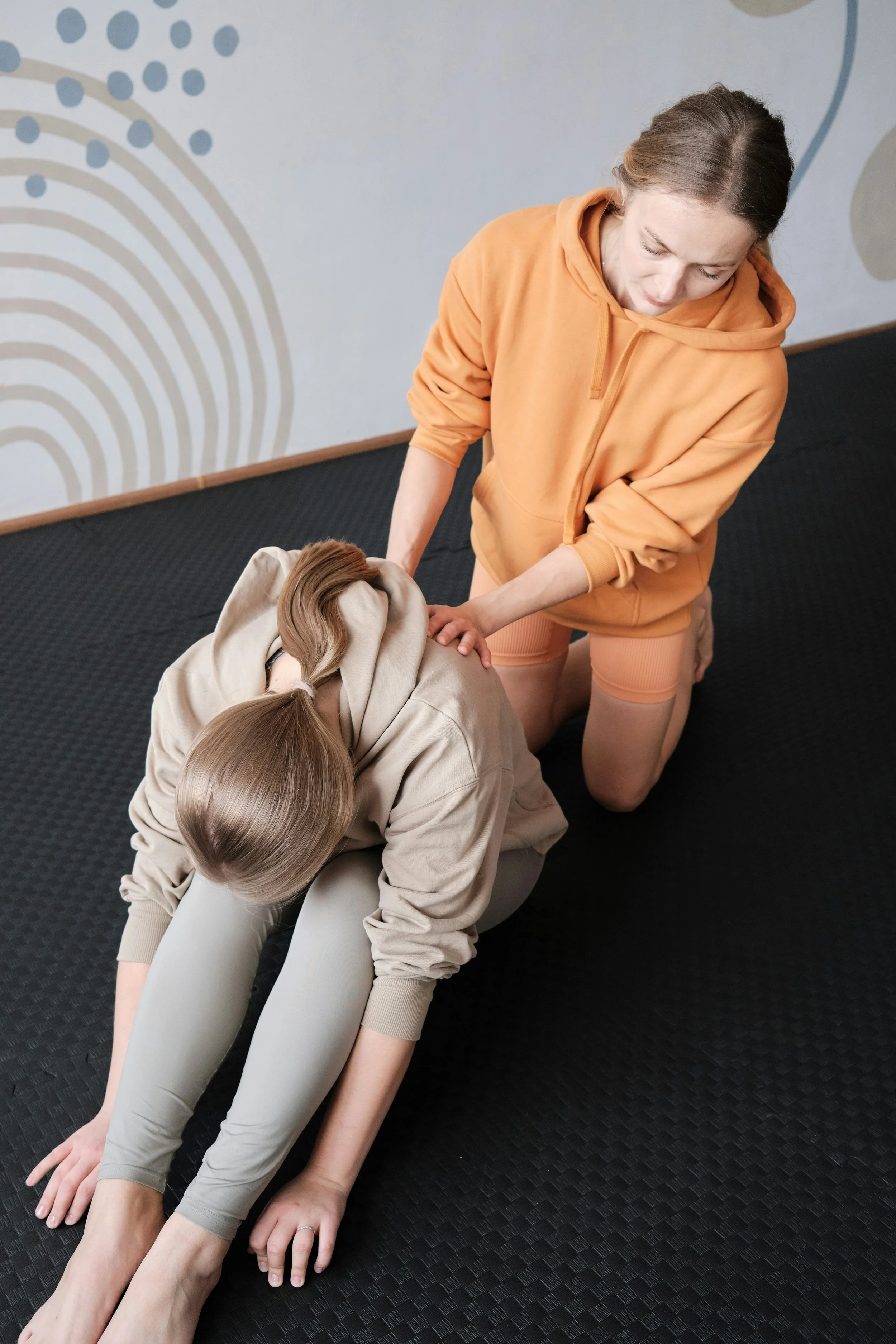
Massage has never been a luxury—it has always been a fundamental necessity for building resilient humans, with historical roots ranging from the Ayurvedic Abhyanga ritual in India to traditional nurturing touch in African and Polynesian cultures.
Modern science, spearheaded by the Touch Research Institute (TRI), proves that intentional touch lowers cortisol (the stress hormone) and spikes oxytocin (the "love hormone"). This creates a biological bridge for bonding and healthy neuro-development.
What to Expect
Whether you are working with a professional or practicing at home, nurturing touch is highly intentional:
The Touch: A session uses firm, gliding pressure. You should avoid using deep 'knuckle' pressure or massaging directly over the spine or ribs. A parent should always wait for 45 minutes after a meal before starting.
The “Doll Method”: A well-trained certified practioner may demonstrate the strokes on a doll while the caregiver massages their own child. This keeps the focus and the oxytocin flow centered exclusively on the parent-child pair.
The “I Love U” Core Practice: A common home technique ideal for "nervous tummies". It involves tracing the letter "I", an "L", and an inverted "U" across the child's abdomen to soothe digestion and discomfort.
The Golden Window
A targeted focus for kids aged 6-12
As your child grows into an independent tween, the modality of touch evolves. While a toddler might sit for a full massage sequence, a school-aged child may simply need connection through:
The Shoulder Anchor: Firm, slow compressions on the shoulders during a difficult conversation.
The Hand Palm: Circular thumb strokes on the palm of their hand while reading together.
The Foot Reset: A five-minute foot massage before bed to "pull the energy down" from a busy mind into a grounded body.
Explore More Resources
If you are curious about exploring therapeutic touch and massage for your child, here are some resources to help you take the next step:
The Experts
Infant Massage USA: The U.S. chapter of the IAIM, offering resources, research, and directories to find a certified educator.
International Loving Touch Foundation: Provides information on the benefits of infant massage and offers training and materials for parents and professionals.
Pathways.org: A non-profit organization that provides resources on infant development, including simple massage techniques.
Books & Guides
Infant Massage: A Handbook for Loving Parents by Vimala McClure*: Written by the founder of the International Association of Infant Massage (IAIM), this is a foundational guide for parents.
Listen & Watch
Podcasts: Look for the Fourth Trimester Podcast episode titled "The Power of Touch in Supporting Infant Development" or The Baby Tribe episode "Embracing the Touch of Love: The Magic of Baby Massage".
*A Note on Our Book Links: We are strong advocates for supporting local libraries, independent booksellers, and specialist retailers whenever you can. But we’re also realists and busy caregivers. We know that sometimes Amazon is the quickest, most practical lifeline for a busy family. Please note that Focused Intentional Things (FIT) is an Amazon Affiliate; if you choose to purchase a book through our links, we receive a small commission that helps keep our resources growing, at no extra cost to you.
From One Caregiver to Another: We love sharing the tools, books and organizations that have inspired and educated us, but we haven't personally read, watched, listened to or validated every single piece of information they contain. Remember, you are the Lead Curator of your child’s health. Please use your personal discretion, trust your intuition, and always partner with your pediatrician or a qualified practitioner to ensure these tools are the right fit for your family’s unique journey.