Dance & Creative Movement
The Way of Expression: Creative Soul
Harnessing the Power of Focused Imagination
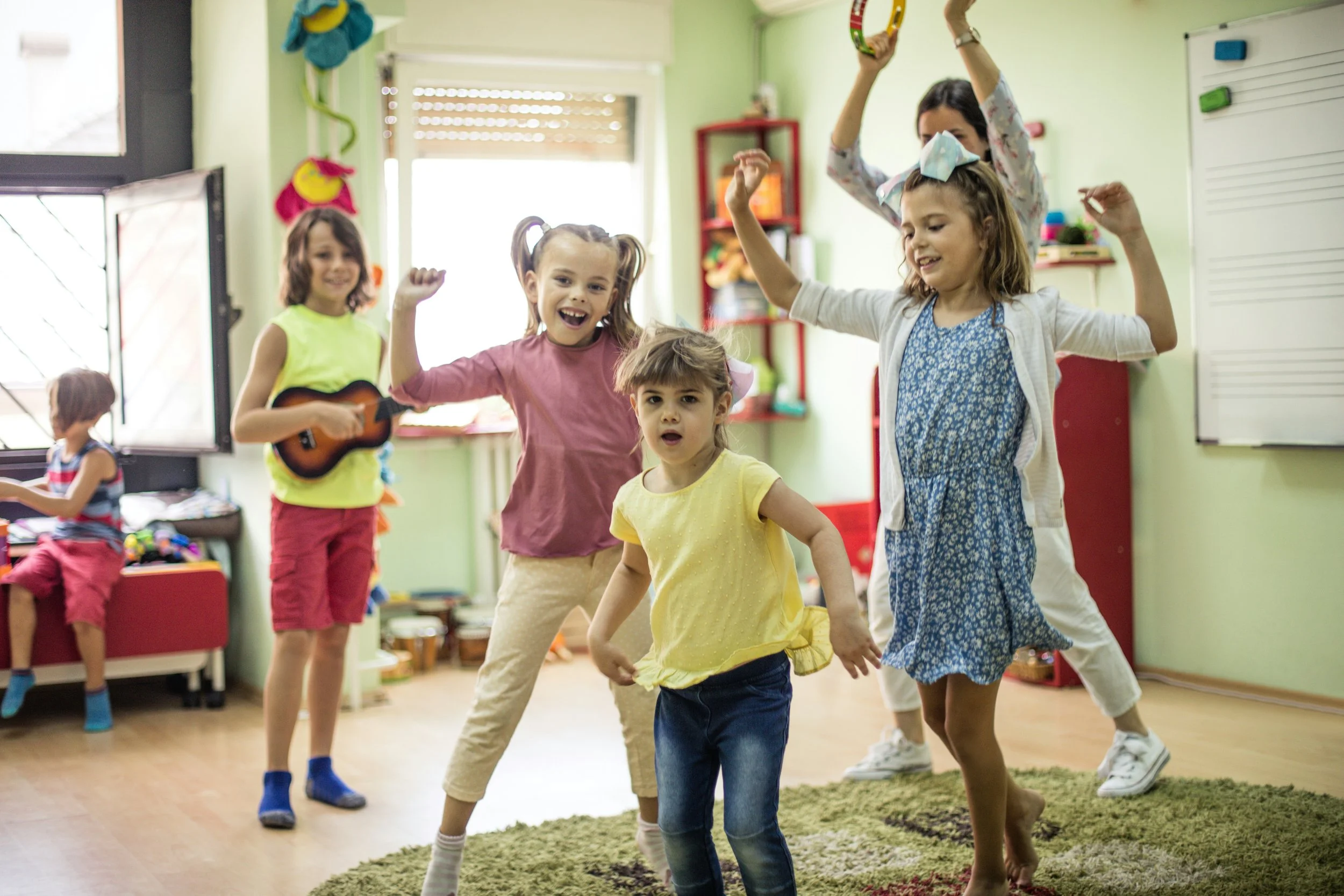
Is Dance & Creative Movement the Right “Doorway” for Your Child?
Creative Movement serves as a release doorway. It is particularly effective for children who:
Are "kinesthetic learners" who process information best through touch and motion
Feel "bottled up" or struggle to find the right words for their emotions
Need to improve their proprioception (body awareness) and coordination
Are looking for a non-competitive way to build physical vitality
The Promise
Dance and Creative Movement are somatic practices that use the body’s natural rhythm to process emotions, build physical agency, and foster a deep sense of belonging. In the Heal Kids Whole philosophy, we believe that "movement is medicine." When a child dances without judgment, they are practicing authenticity, allowing their internal world to take a physical shape and finding a path to joy that requires no explanation.
The Soulful Science
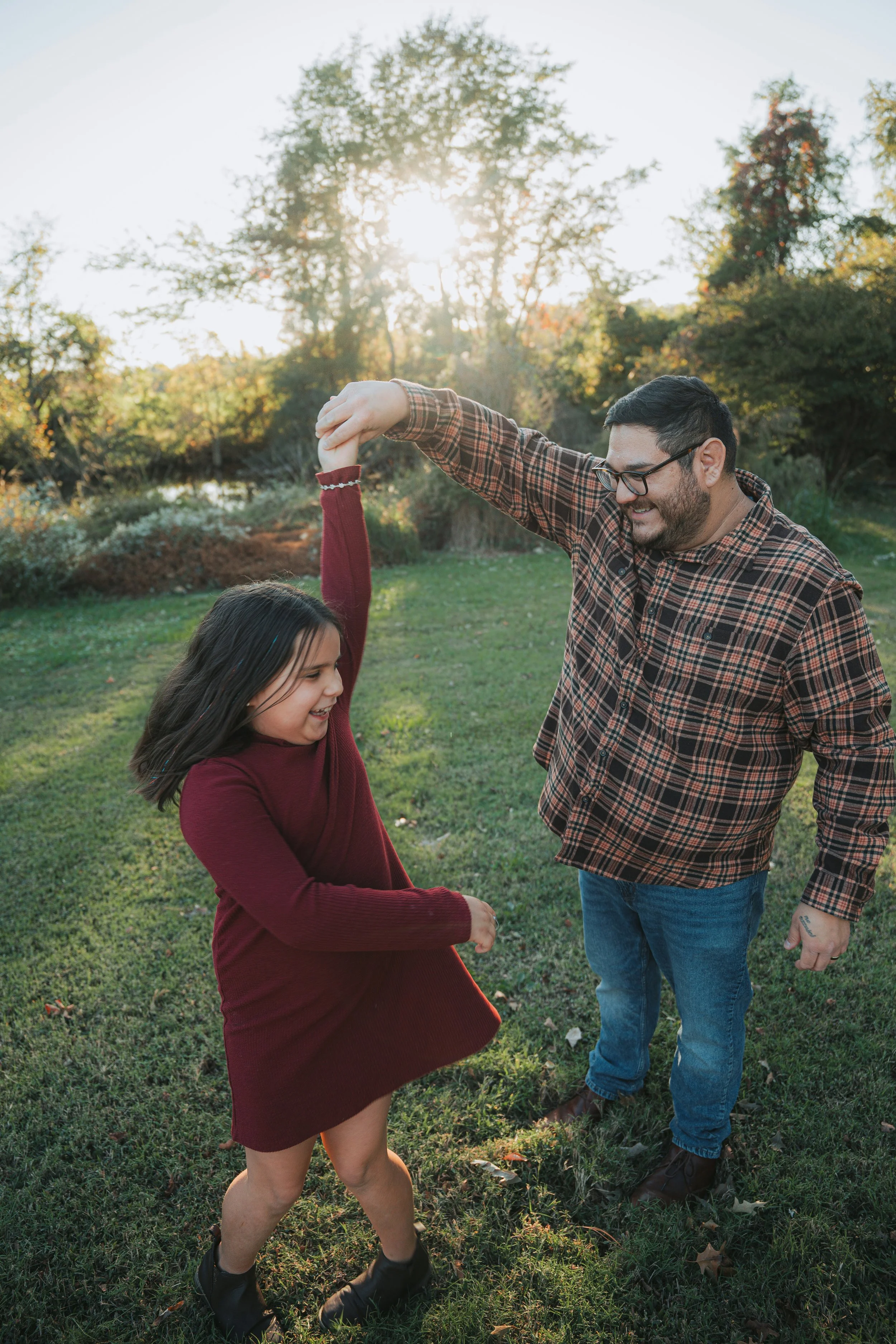
Anthropologists have found that every human culture throughout history has used dance as a tool for healing and social bonding.
Modern neuroscience shows that dance is a "whole-brain" activity. It synchronizes the cerebellum (coordination), the motor cortex (movement planning), and the limbic system (emotions). This synchronization triggers a massive release of endorphins and dopamine, which naturally counteracts the "freeze" response of the nervous system. By moving the body, we literally change the chemistry of the brain.
What to Expect
A professional creative movement or dance therapy session is expressive, non-linear, and deeply respectful:
The Check-In: The session often begins with a "Body Scan," where the child identifies where they feel "tight" or "heavy" that day.
Guided Exploration: Instead of rigid steps, the teacher might use prompts: "Move like you are traveling through water," or "Show me what 'brave' looks like in your feet."
The Rhythmic Pulse: We use various tempos of music to help the child "match" their internal energy to the external beat, allowing them to safely "play" with different emotional states.
The Cool-Down: Every session ends with stillness, where the child rests and notices how their "internal weather" has changed after moving.
The Golden Window
A targeted focus for kids aged 6-12
For the school-age child, movement moves from "wiggle-release" to a sophisticated tool for Emotional Intelligence:
The "Mood Shift" Sequence: For the 9-year-old coming home "cranky" from school, five minutes of high-energy, free-form dancing acts as a "centrifuge," spinning off the day's stress.
The Body-Confidence Bridge: For the 11-year-old navigating the changes of puberty, creative movement helps them feel "at home" in their growing frame rather than alienated by it.
The Collaborative Flow: For the 12-year-old, group movement classes foster Connection, teaching them how to read the non-verbal cues of others and move in harmony with a community.
Explore More Resources
If you are curious about exploring Dance & Creative Movement for your child, here are some resources to help you take the next step:
The Experts
American Dance Therapy Association: The primary organization for finding Board-Certified Dance/Movement Therapists (R-DMT or BC-DMT) who use movement as a clinical tool.
National Dance Education Organization: Provides resources on the benefits of dance for child development and directories for inclusive dance programs.
Pathways.org: Offers a wealth of information on motor milestones and how movement-based play supports healthy growth in the Golden Window.
Books & Guides
The Out-of-Sync Child by Carol Stock Kranowitz: A foundational read for understanding how movement and sensory integration support a child's neurological health.
The Whole-Brain Child by Daniel J. Siegel, M.D. and Tina Payne Bryson, Ph.D.: Offers insights into how physical "upstairs/downstairs" brain integration is supported by active play and motion.
Listen & Watch
Dance Therapy Podcast: Explores how somatic movement can be used to treat trauma and anxiety in children.
*A Note on Our Book Links: We are strong advocates for supporting local libraries, independent booksellers, and specialist retailers whenever you can. But we’re also realists and busy caregivers! We know that sometimes Amazon is the quickest, most practical lifeline for a busy family. Please note that Focused Intentional Things (FIT) is an Amazon Affiliate; if you choose to purchase a book through our links, we receive a small commission that helps keep our resources growing, at no extra cost to you.
From One Caregiver to Another: We love sharing the tools, books and organizations that have inspired and educated us, but we haven't personally read, watched, listened to or validated every single piece of information they contain. Remember, you are the Lead Curator of your child’s health. Please use your personal discretion, trust your intuition, and always partner with your pediatrician or a qualified practitioner to ensure these tools are the right fit for your family’s unique journey.