Bibliotherapy & Poetry
The Way of Expression: Creative Soul
Finding Your Story in the Pages of Another
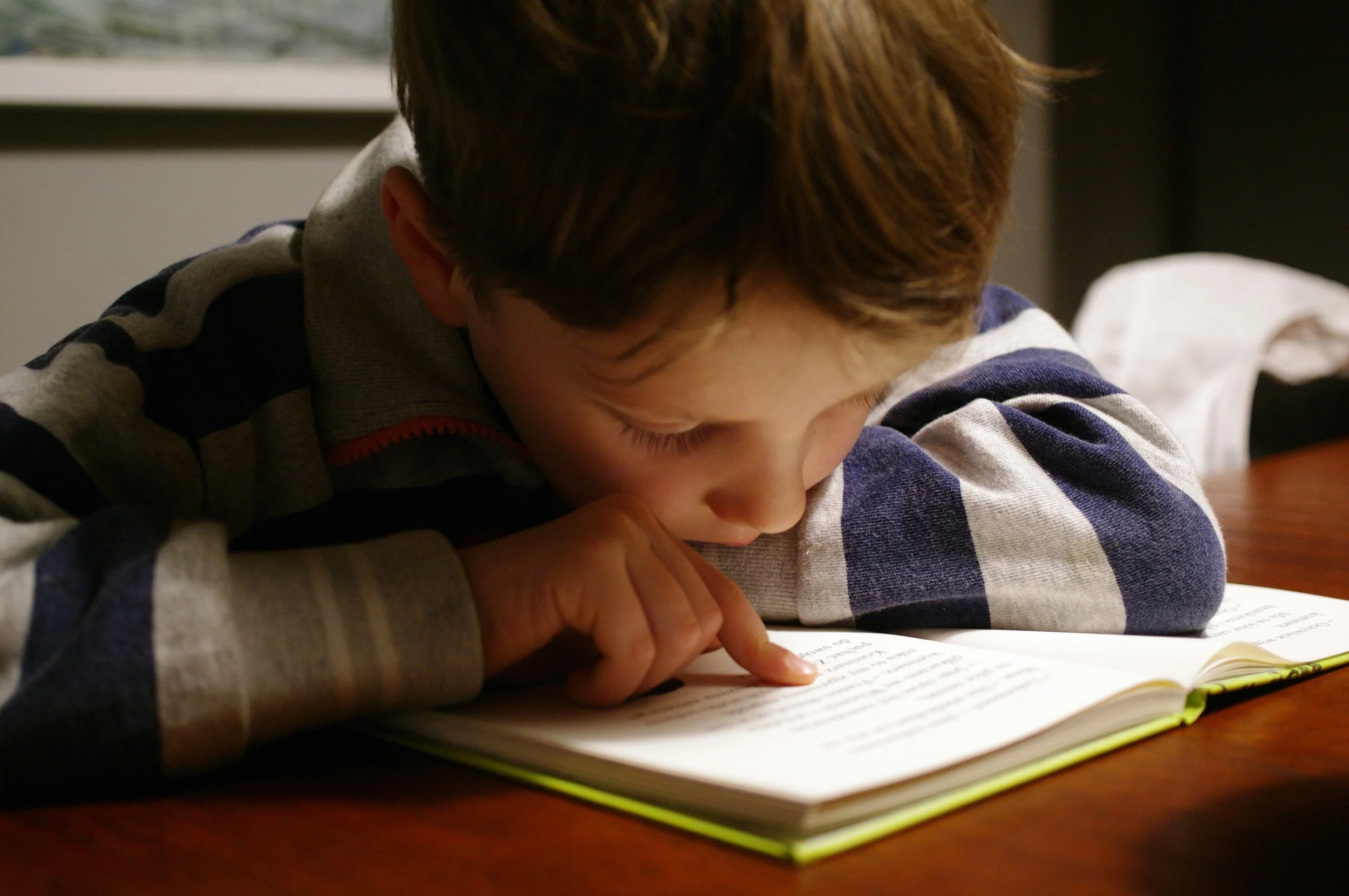
Is Bibliotherapy and Poetry the Right “Doorway” for Your Child?
Bibliotherapy serves as an intellectual and empathetic doorway. It is particularly effective for children who:
Are avid readers or love being read to
Struggle to talk directly about their own feelings but can talk for hours about a character’s choices
Need to build their "Theory of Mind"—the ability to understand that others have different perspectives and feelings
Find comfort in the rhythm, rhyme, and "musicality" of language
The Promise
Bibliotherapy and Poetry use the power of literature and the rhythm of language to facilitate healing and personal growth. In the Heal Kids Whole philosophy, stories are the "software" of the human experience. Through the process of identification and catharsis, children learn that their struggles are part of a larger human narrative, fostering a profound sense of belonging and providing a safe "third-party" lens through which to view their own lives.
The Soulful Science
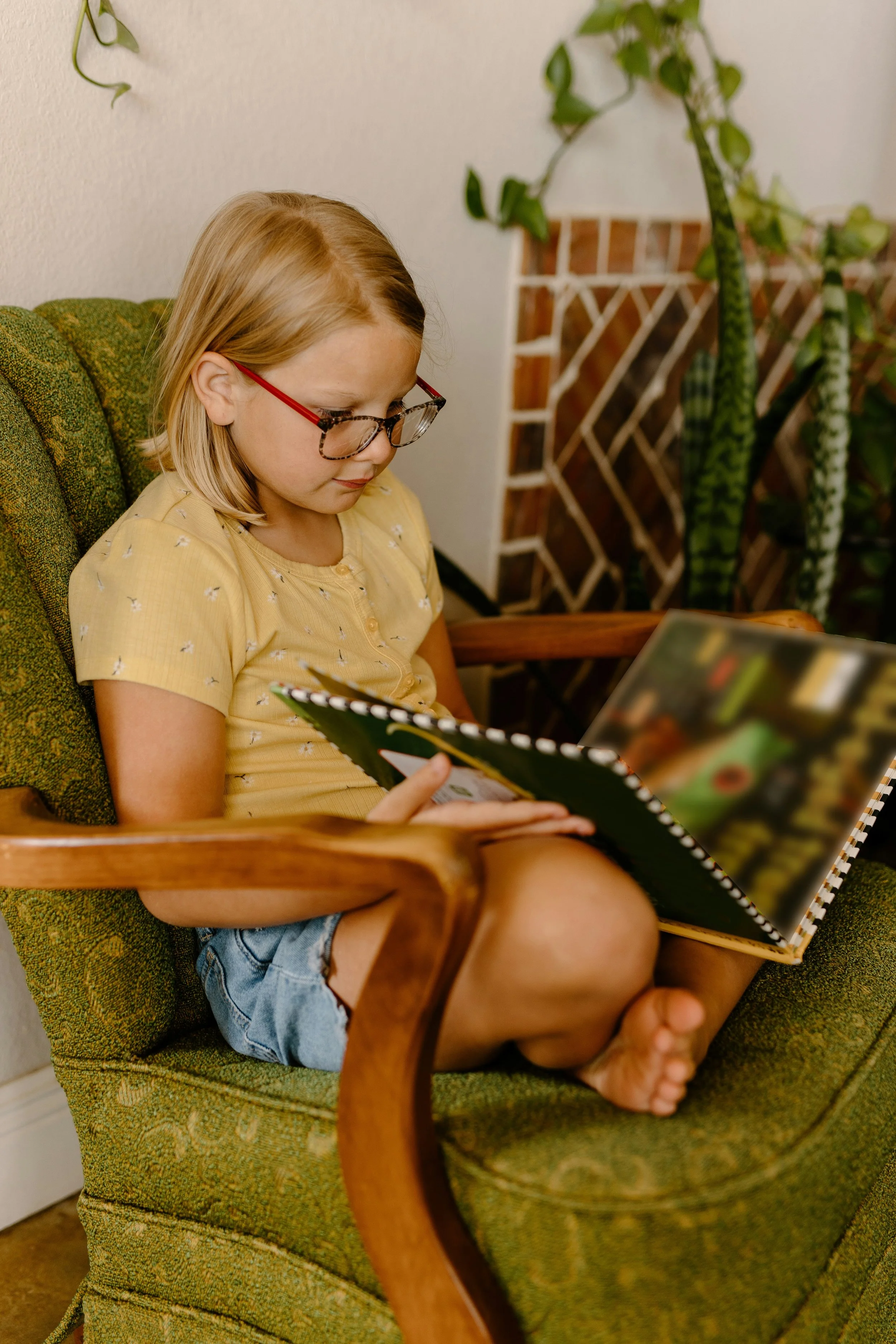
Bibliotherapy has been used since the days of Ancient Greece, where libraries were often inscribed with the words "Healing Place for the Soul."
Modern neuroscience shows that when we read a deeply descriptive story, our brain’s neural mirror system activates. If a character is running, the parts of our brain associated with running light up. This creates a state of deep empathy, where the brain processes the character's emotional resolution as if it were its own, effectively lowering the child's heart rate and increasing their emotional resilience.
What to Expect
A professional bibliotherapy session or an intentional "Home Way" practice is a journey of discovery and reflection:
The Targeted Selection: The "Curator" (parent or therapist) selects a book or poem that mirrors the child’s current struggle—whether it’s grief, anxiety, or social exclusion.
The Shared Encounter: The story is read aloud or independently, followed by a "Reflective Pause."
The "Metaphoric Bridge": We ask questions about the character: "Why do you think they made that choice?" or "What would you put in your own 'Worry Jar' like the character did?"
The Creative Response: The session often ends with the child writing their own "missing chapter" or a short poem to rewrite the ending of a personal stressor.
The Golden Window
A targeted focus for kids aged 6-12
In school, children are moving from "learning to read" to "reading to learn" about themselves:
The "Character Mirror": For the 8-year-old dealing with a "mean girl" situation, finding a book where the protagonist faces the same challenge allows them to practice authenticity and strategy from a safe distance.
The "Black-Out" Poetry: For the 11-year-old feeling overwhelmed by "mental noise," taking a page of text and circling only the words that "jump out" to create a poem gives them a sense of agency over chaos.
The Shared Verse: For the 12-year-old, reading poetry together at bedtime creates a "Way of Stillness" ritual that anchors the parent-child connection through beauty and shared meaning.
Explore More Resources
If you are curious about exploring Bibliotherapy & Poetry for your child, here are some resources to help you take the next step:
The Experts
The International Federation for Biblio/Poetry Therapy (IFBPT): The certifying body for practitioners who use literature as a clinical tool.
The Poetry Foundation (Children’s Section): A vast, free digital library of poems categorized by theme, perfect for finding an "anchor verse" for your child.
Read Brightly: A resource dedicated to helping parents find the right books for every stage and emotional milestone in the Golden Window.
Books & Guides
Healing Stories for Challenging Behaviour by Susan Perrow: A brilliant guide for parents on how to "write" or find stories that address specific childhood struggles.
The Whole-Brain Childby Daniel J. Siegel, M.D. and Tina Payne Bryson, Ph.D.: Offers insights into how physical "upstairs/downstairs" brain integration is supported by active play and motion.
Listen & Watch
The Read-Aloud Revival Podcast: Hosted by Sarah Mackenzie, the podcast focuses on the power of shared reading to build connection and emotional intelligence in families.
YouTube: Search for "Poetry Teatime for Kids" to see how to turn bibliotherapy into a delightful, sensory-rich family ritual.
*A Note on Our Book Links: We are strong advocates for supporting local libraries, independent booksellers, and specialist retailers whenever you can. But we’re also realists and busy caregivers! We know that sometimes Amazon is the quickest, most practical lifeline for a busy family. Please note that Focused Intentional Things (FIT) is an Amazon Affiliate; if you choose to purchase a book through our links, we receive a small commission that helps keep our resources growing, at no extra cost to you.
From One Caregiver to Another: We love sharing the tools, books and organizations that have inspired and educated us, but we haven't personally read, watched, listened to or validated every single piece of information they contain. Remember, you are the Lead Curator of your child’s health. Please use your personal discretion, trust your intuition, and always partner with your pediatrician or a qualified practitioner to ensure these tools are the right fit for your family’s unique journey.