Art Therapy
The Way of Expression: Creative Soul
Giving Form to the Invisible Internal World
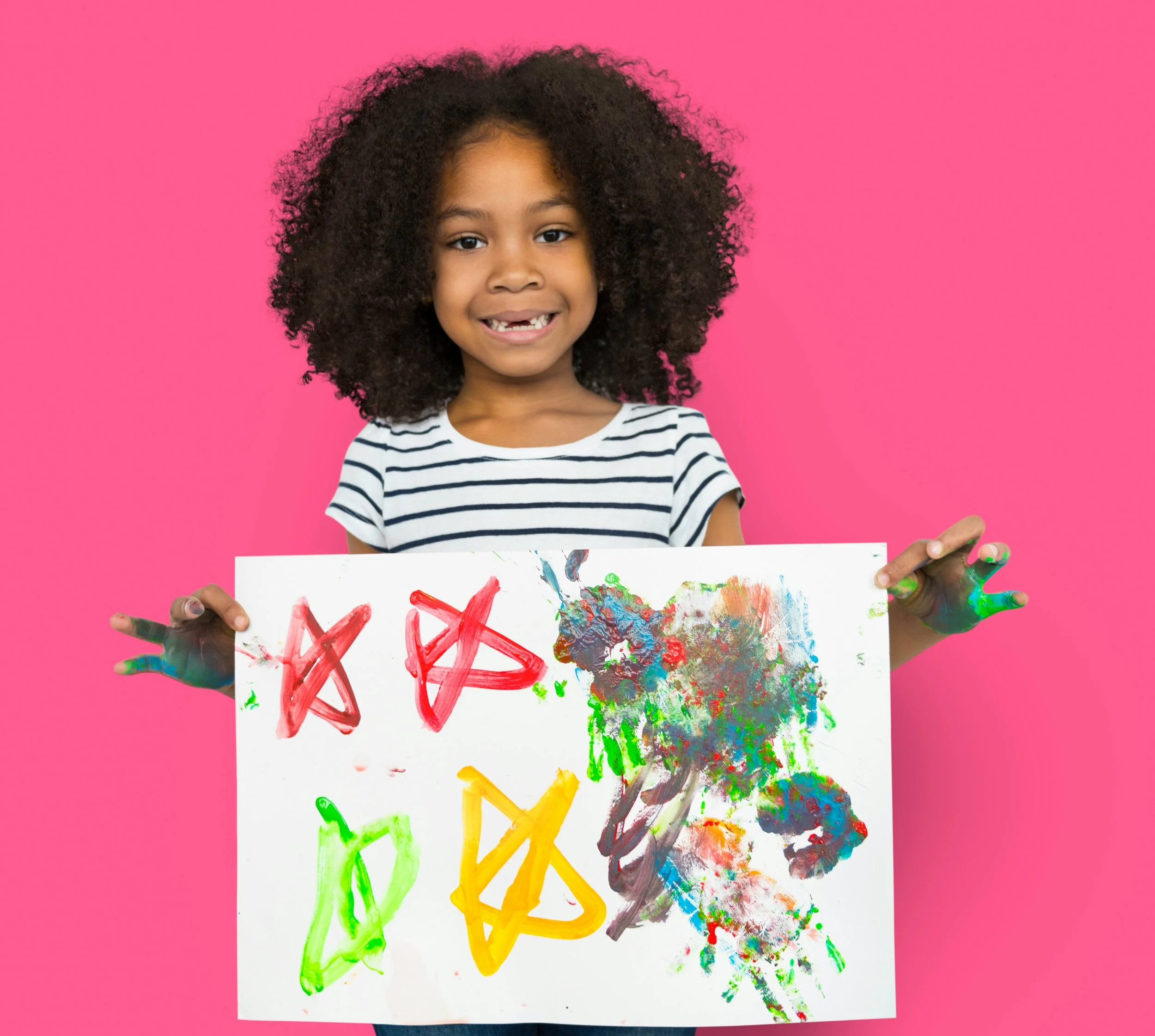
Is Art Therapy the Right “Doorway” for Your Child?
Art Therapy serves as a symbolic doorway. It is particularly effective for children who:
Are naturally "visual thinkers" or love to tinker with materials
Struggle with traditional talk therapy or "shut down" when asked direct questions
Have experienced "big T" or "little t" trauma that is difficult to verbalize
Need to build fine motor skills while simultaneously processing emotional "noise"
The Promise
Art Therapy is a clinical and creative practice that uses the process of making art to improve physical, mental, and emotional well-being. In the Heal Kids Whole philosophy, we believe that "to name it is to tame it." By giving a shape, a color, or a texture to an internal struggle, children practice authenticity, moving from a state of being "possessed" by a feeling to being the observer of it.
The Soulful Science
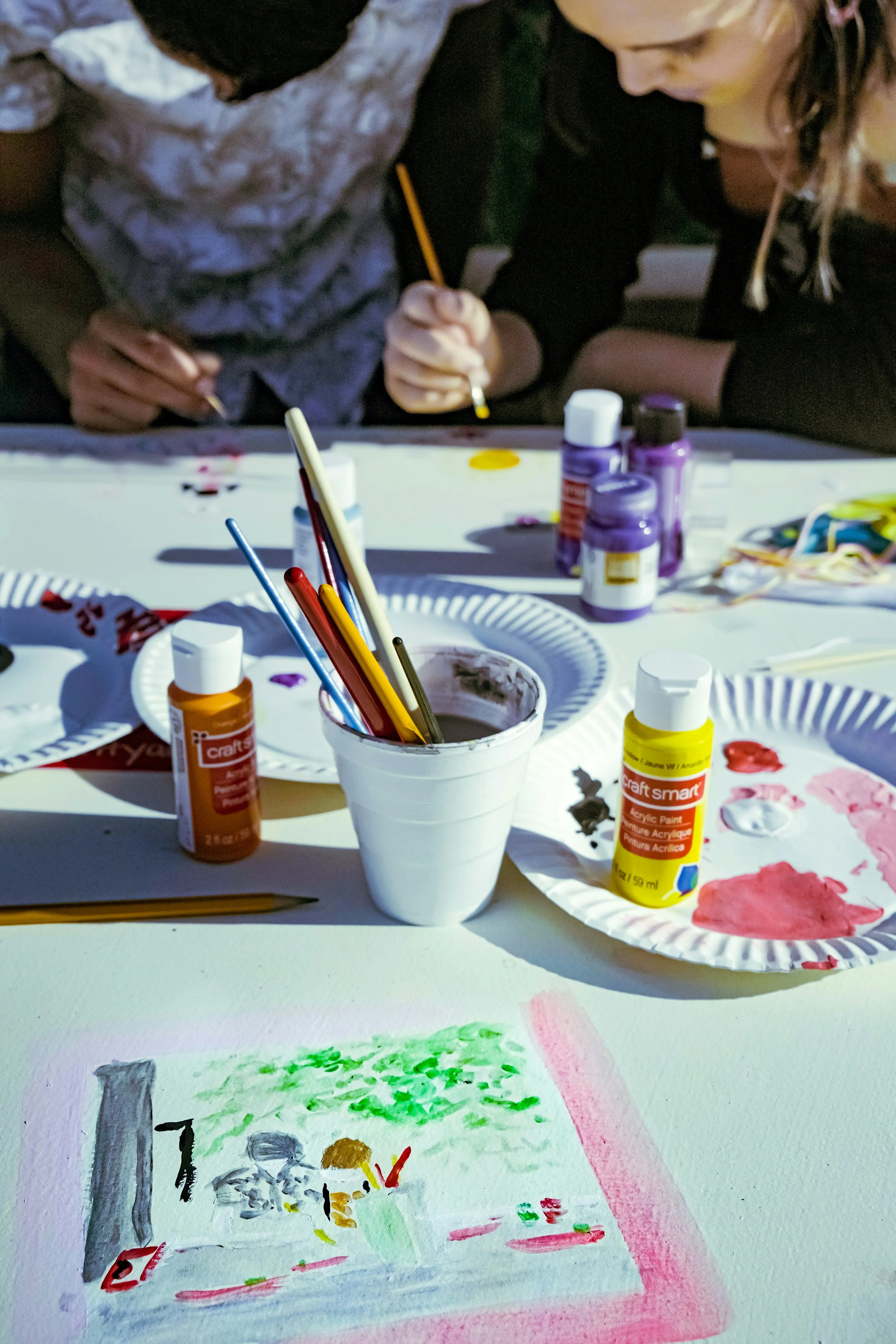
Human beings have used symbols to communicate and heal for tens of thousands of years, from cave paintings to sacred mandalas.
Modern neuro-art therapy shows that the act of creating engages the right hemisphere of the brain (the seat of intuition and emotion) while the reflection on the art engages the left hemisphere of the brain (the seat of logic and language). This "bilateral integration" helps the brain process memories and emotions that are "stuck" in the subconscious, effectively lowering the child's baseline stress level.
What to Expect
A professional art therapy session is a "Sacred Studio" space where the process is always more important than the product:
The Material Invitation: The therapist provides a variety of "directives" and materials—clay for anger, watercolors for sadness, or collage for confusion—allowing the child to choose what "feels" right.
The Non-Directive Approach: Rather than asking "What did you draw?", a therapist might say, "Tell me about this blue shape here," or "How did it feel to use the heavy clay?"
The Metaphoric Bridge: The child may create a "safe place" or a "monster," allowing them to talk about the character in the art rather than their own direct pain, which feels much safer for a developing ego.
The Closing Ritual: Sessions often end with a "Safe Storage" ritual, where the art is kept in a private folder or box, signaling to the child that their feelings are held and respected.
The Golden Window
A targeted focus for kids aged 6-12
For school age children, art becomes a sophisticated bridge between the magical thinking of early childhood and the logical reasoning of adolescence:
The "Worry Jar" Creation: For the 8-year-old with nighttime anxiety, creating a physical "vessel" to hold drawn representations of their fears provides a tangible sense of relief and agency.
The Identity Collage: For the 11-year-old navigating social cliques, using mixed media to explore the "Many Sides of Me" fosters self-acceptance and belonging.
The Proprioceptive Scribble: For the 10-year-old who feels "out of control," using large-scale chalk or charcoal movements helps ground them in their physical vitality.
Explore More Resources
If you are curious about exploring Art Therapy for your child, here are some resources to help you take the next step:
The Experts
American Art Therapy Association (AATA): The primary organization for finding Registered and Board-Certified Art Therapists (ATR-BC) who are trained in pediatric clinical care.
International Expressive Art Therapy Association (IEATA): Focuses on the global applications of art for healing and social change.
International Association for Creative Arts in Education & Therapy: Believes in the aesthetic and creative use of the arts, together with practices promoting body-mind-spirit integration for a holistic and humanistic approach
National Coalition of Creative Arts Therapies Associations: Fostering collaboration, and raising awareness to advance the creative arts therapies professions.
Big Life Journal: Offers creative, art-based prompts and printables that encourage a growth mindset in the Golden Window.
Books & Guides
Drawing on the Right Side of the Brain by Betty Edwards: While a drawing guide, it explains the fundamental shift in consciousness that occurs during the creative process.
The Whole-Brain Childby Daniel J. Siegel, M.D. and Tina Payne Bryson, Ph.D.: Offers insights into how physical "upstairs/downstairs" brain integration is supported by active play and motion.
Listen & Watch
The Therapist Thrival Guide, Episode Art Therapy Processing & Communicating in New Ways: Hosted by Miranda Barker, MSW, LICSW and includes interviews with art therapists Chelsea Wire, MA LPC and Kailah Tuttle, LPC.
The Doctor Podcast, Episode 2 Life in Colour: Hosted by consultant child and adolescent psychiatrist Dr Sabina Dosani with Art psychotherapist and clinical research fellow Megan Tjasink.
YouTube: Search for "Mindful Art for Kids" to find simple, home-based prompts like "Zentangles" or "Watercolor Breathing" to shift the energy of the day.
*A Note on Our Book Links: We are strong advocates for supporting local libraries, independent booksellers, and specialist retailers whenever you can. But we’re also realists and busy caregivers! We know that sometimes Amazon is the quickest, most practical lifeline for a busy family. Please note that Focused Intentional Things (FIT) is an Amazon Affiliate; if you choose to purchase a book through our links, we receive a small commission that helps keep our resources growing, at no extra cost to you.
From One Caregiver to Another: We love sharing the tools, books and organizations that have inspired and educated us, but we haven't personally read, watched, listened to or validated every single piece of information they contain. Remember, you are the Lead Curator of your child’s health. Please use your personal discretion, trust your intuition, and always partner with your pediatrician or a qualified practitioner to ensure these tools are the right fit for your family’s unique journey.