Aquatic Therapy
The Way of Flow: Movement & Energy
Finding Freedom & Focus in the Water
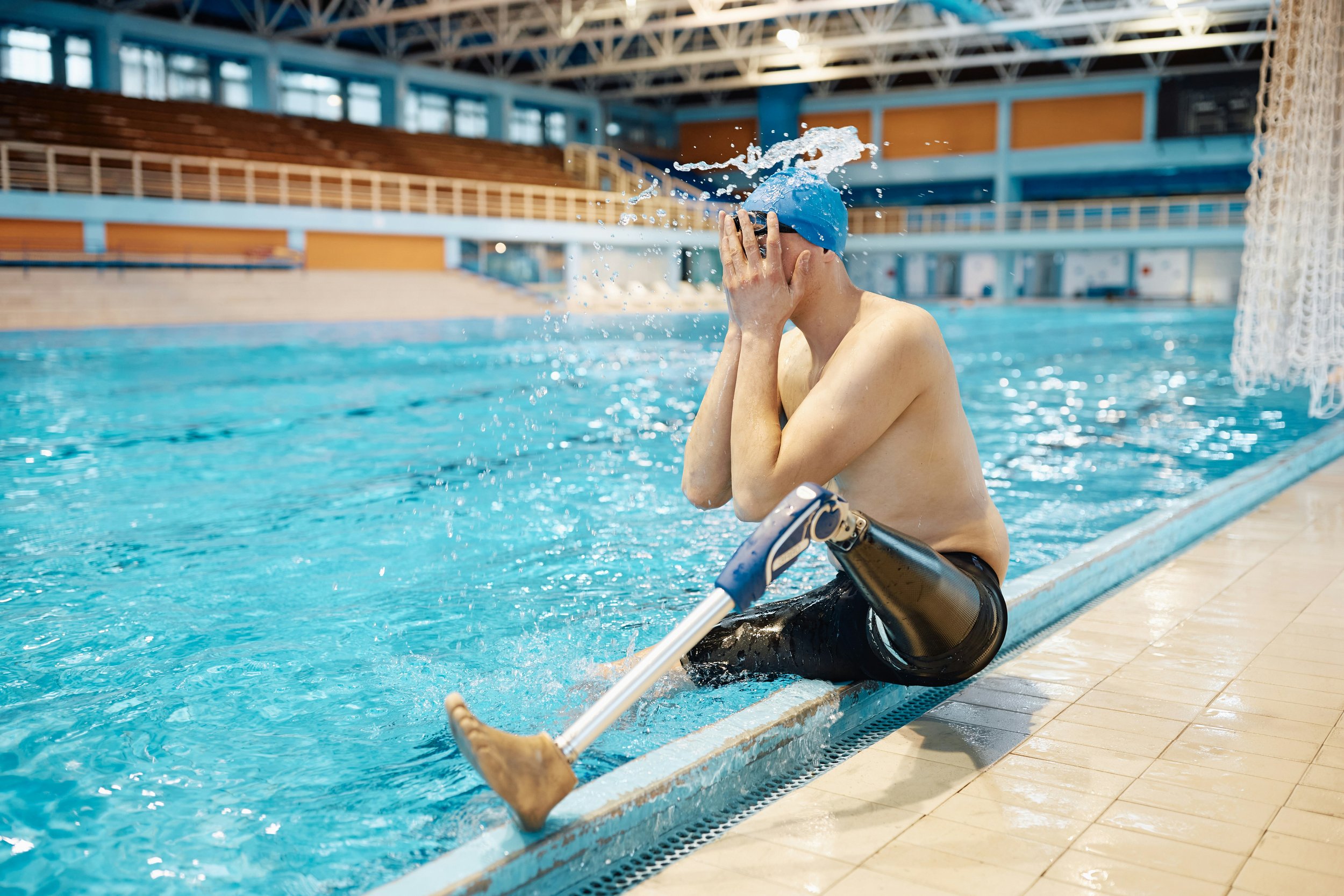
Is Aquatic Therapy the Right “Doorway” for Your Child?
Aquatic Therapy serves as a weightless doorway. It is particularly effective for children who:
Have low muscle tone or gross motor delays
Experience joint pain or fatigue during traditional land-based play
Struggle with Sensory Processing Disorder (SPD) and crave deep pressure
Feel clumsy or lack confidence in their physical coordination
The Promise
Aquatic Therapy is physical or occupational therapy performed in a warm, shallow pool. In the Heal Kids Whole philosophy, we recognize that sometimes the physical world is just too demanding for a developing nervous system. Aquatic therapy is a practice of vitality and agency that uses the natural physics of water to provide a safe, supportive environment where children can build strength, coordination, and confidence without the fear of falling.
The Soulful Science
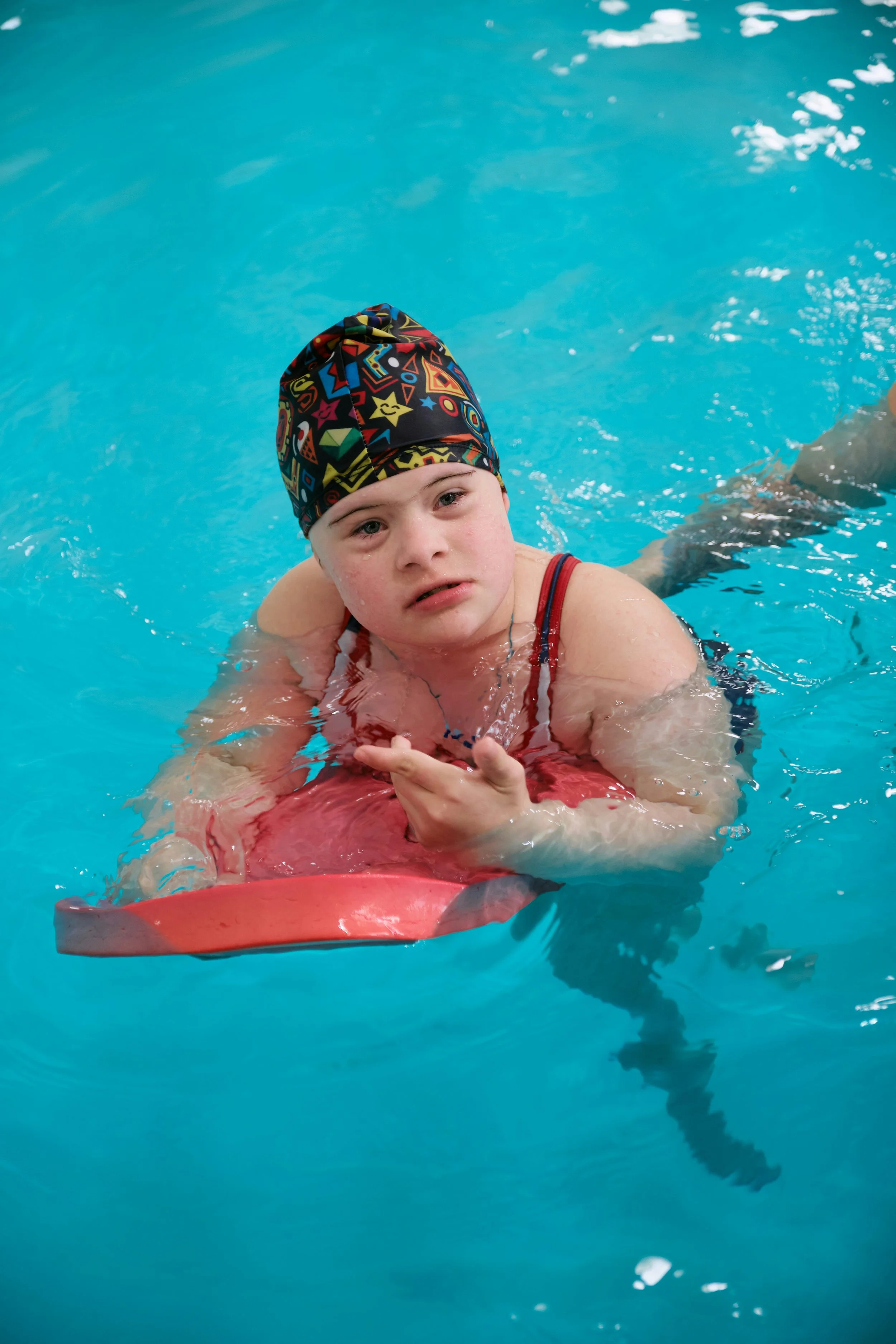
Water is a brilliant, natural therapy tool because it changes the rules of physics for the human body.
This modality relies on two main principles:
Buoyancy: Water counteracts gravity. A child submerged to their chest only bears about 25% of their actual body weight. This allows weak muscles to move freely and takes the pressure off aching joints.
Hydrostatic Pressure: Water exerts a gentle, constant pressure on the body from all directions. This deep proprioceptive input sends an organizing, grounding signal directly to the somatosensory cortex in the brain, which is incredibly soothing for a dysregulated nervous system.
What to Expect
A professional Aquatic Therapy session is playful, heavily supported, and looks very different from a standard swim class:
The Environment: The pool is usually heated to therapeutic temperatures (between 90°F and 94°F) to keep the muscles warm and relaxed.
One-on-One Support: A licensed Physical Therapist (PT) or Occupational Therapist (OT) is in the water with your child the entire time.
Game-Based Biomechanics: The therapist will use water weights, floating boards, or underwater obstacle courses. Your child might think they are just "playing pirate," but they are actually performing highly targeted cross-body and core-strengthening exercises.
The Sensory Cool-Down: Sessions often end with the child floating on their back, supported by the therapist, allowing the hydrostatic pressure to deeply integrate the physical work into the nervous system before returning to land.
The Golden Window
A targeted focus for kids aged 6-12
As your child navigates the physical growth spurts and social demands of school, the pool becomes a unique equalizer:
The "Sensory Cocoon": For the 8-year-old whose nervous system is constantly on high alert, the deep, even pressure of the water provides a full-body "hug" that instantly calms the fight-or-flight response.
The Confidence Bridge: For the 10-year-old who struggles to balance or jump on the playground, the buoyancy of the water allows them to practice these movements successfully, building the neural pathways they need for land.
The "Heavy Work" Outlet: For the 12-year-old with ADHD who needs massive amounts of physical input to focus, walking or pushing against the resistance of water tires out the muscles without straining the joints.
Explore More Resources
If you are curious about exploring Aquatic Therapy for your child, here are some resources to help you take the next step:
The Experts
Academy of Aquatic Physical Therapy (AAPT): A section of the American Physical Therapy Association (APTA), offering resources and directories to find certified aquatic PTs.
American Occupational Therapy Association (AOTA): Provides information on how aquatic environments support sensory integration and occupational therapy goals.
Pathways.org: Offers excellent milestone guides and explanations of how different physical therapies benefit children in the Golden Window.
Books & Guides
The Out-of-Sync Child by Carol Stock Kranowitz: Essential for understanding the proprioceptive and vestibular sensory needs that aquatic therapy so beautifully addresses.
The Whole-Brain Child by Daniel J. Siegel, M.D. and Tina Payne Bryson, Ph.D.: Provides the context for how physical body mastery (the "downstairs" brain) supports emotional regulation (the "upstairs" brain).
Listen & Watch
YouTube: Search for "Pediatric Aquatic Therapy Demonstration" to see how therapists use buoyancy and play to help children achieve physical milestones in the water.
*A Note on Our Book Links: We are strong advocates for supporting local libraries, independent booksellers, and specialist retailers whenever you can. But we’re also realists and busy caregivers! We know that sometimes Amazon is the quickest, most practical lifeline for a busy family. Please note that Focused Intentional Things (FIT) is an Amazon Affiliate; if you choose to purchase a book through our links, we receive a small commission that helps keep our resources growing, at no extra cost to you.
From One Caregiver to Another: We love sharing the tools, books and organizations that have inspired and educated us, but we haven't personally read, watched, listened to or validated every single piece of information they contain. Remember, you are the Lead Curator of your child’s health. Please use your personal discretion, trust your intuition, and always partner with your pediatrician or a qualified practitioner to ensure these tools are the right fit for your family’s unique journey.