Animal Assisted Therapy
The Way of Connection: The Body
Healing Through the Power of the Non-Judgmental Bond
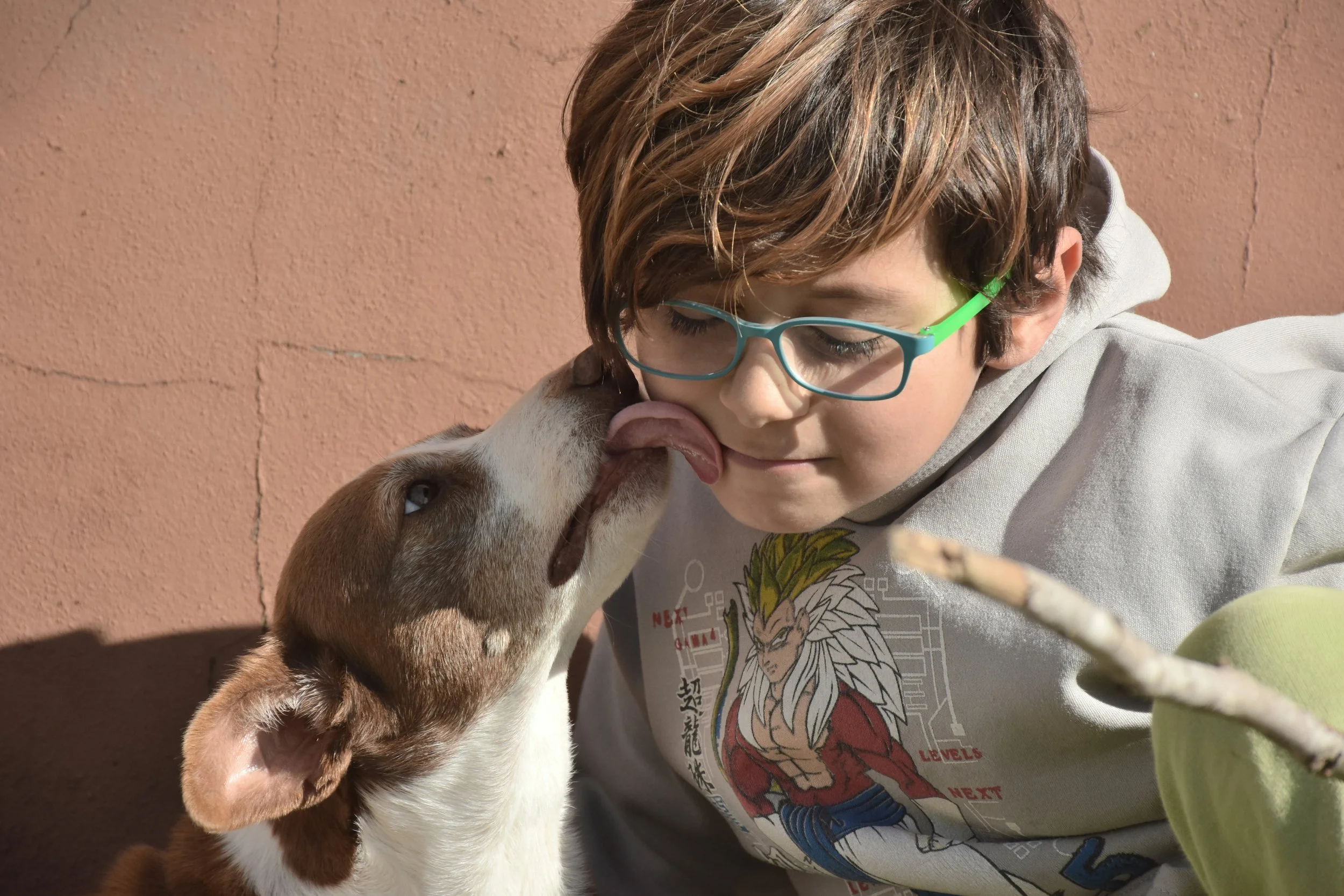
Is Animal Assisted Therapy the Right “Doorway” for Your Child?
Animal-Assisted Therapy serves as a relational doorway. It is particularly effective for children who:
Are highly resistant to traditional "talk therapy" or adult intervention
Struggle with social cues, empathy, or neurodivergent challenges (like Autism)
Have experienced trauma and struggle to trust human caregivers
Need to build confidence, leadership, and emotional regulation in real-time
The Promise
Animal-Assisted Therapy (including Equine-Assisted Therapy) integrates animals into the therapeutic process to improve social, emotional, and cognitive functioning. In the Heal Kids Whole philosophy, animals are the ultimate ambassadors of connection & authenticity. They do not care about grades, social status, or the meltdown from yesterday. They respond only to the energy the child brings to the present moment, offering profound feedback and unwavering belonging.
The Soulful Science
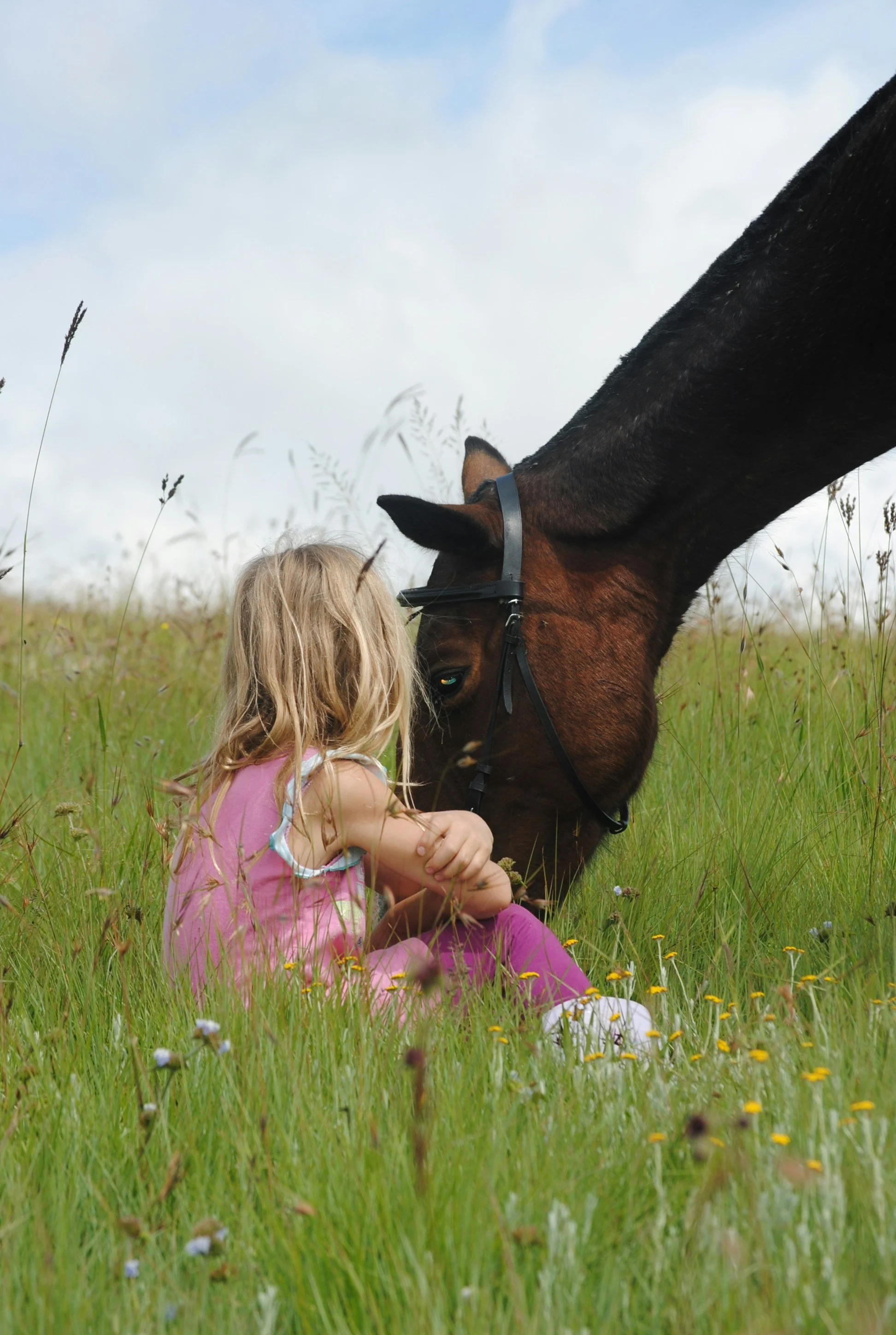
The bond between humans and animals is wired into our biology.
Modern science shows that positive interactions with animals—especially eye contact and touch—trigger a massive release of oxytocin (the bonding hormone) in both the child and the animal. This oxytocin surge naturally decreases cortisol (the stress hormone), lowers blood pressure, and activates the parasympathetic nervous system. Furthermore, animals (especially horses) have highly sensitive limbic systems; they act as biofeedback machines, mirroring the child's internal state and teaching them visceral emotional regulation.
What to Expect
Whether working with a therapy dog in a clinic or a horse in an arena, the sessions are experiential:
The Introduction: The therapist focuses on teaching the child how to approach the animal safely and respectfully, establishing physical boundaries.
The Task: The child might be asked to guide a horse through an obstacle course without touching it, or to teach a dog a new trick.
The Frustration/Success Loop: When the child gets frustrated, the animal usually disengages. The therapist steps in to help the child regulate their breathing and energy. When the child calms down, the animal re-engages, providing an instant, physical reward for emotional regulation.
The Reflection: The therapist helps the child connect the experience back to their human life: "When you were calm, the horse trusted you. Where else in your life does being calm help people trust you?"
The Golden Window
A targeted focus for kids aged 6-12
For the school-age child, working with an animal shifts therapy from an intellectual exercise into a lived, somatic experience:
The "Canine Calm": For the 8-year-old with severe anxiety, reading a book to a trained therapy dog lowers their heart rate and removes the fear of judgment, acting as a bridge to self-confidence.
The Equine Mirror: For the 11-year-old struggling with emotional outbursts, Equine Therapy (working with horses) offers instant feedback. A 1,000-pound horse will not follow a child who is dysregulated or angry, forcing the child to find their own internal calm and agency to build the partnership.
The Empathy Builder: For the 9-year-old developing their social skills, learning to read a dog's or horse's body language directly translates to a better understanding of human non-verbal cues.
Explore More Resources
If you are curious about exploring Animal Assisted Therapy for your child, here are some resources to help you take the next step:
The Experts
EAGALA (Equine Assisted Growth and Learning Association): The global standard for equine-assisted psychotherapy. They provide a directory to find certified practitioners.
Pet Partners: The nation's largest therapy animal organization, offering resources on how therapy animals support pediatric health.
PATH Intl. (Professional Association of Therapeutic Horsemanship International): Provides accreditation and directories for therapeutic riding and equine-assisted learning centers.
Books & Guides
The Boy Who Was Raised as a Dog by Bruce D. Perry, MD, PhD: While a profound book on childhood trauma, it highlights how rhythmic, relational, and non-verbal experiences (often found in animal therapy) heal the brain.
Hope Rising: How the Science of HOPE Can Change Your Life by Casey Gwinn and Chan Hellman: Discusses how building trust (often facilitated through animal bonds) creates the foundation for resilience.
Listen & Watch
Mental Work Podcast: Episode - Animal Assisted Therapy: Danielle Graber, clinical psychologist and animal-assisted therapist, shares her journey into animal assisted therapy, the science behind it, and its benefits for both children and adults, especially those with trauma histories
The Child Psych Podcast: Episode - Horses as Partners in Children’s Mental Health: Tammy Schamuhn interviews Sue McIntosh, a pioneer in equine-assisted therapy on the transformative power of horses in therapeutic settings, particularly for children facing trauma and emotional challenges.
*A Note on Our Book Links: We are strong advocates for supporting local libraries, independent booksellers, and specialist retailers whenever you can. But we’re also realists and busy caregivers. We know that sometimes Amazon is the quickest, most practical lifeline for a busy family. Please note that Focused Intentional Things (FIT) is an Amazon Affiliate; if you choose to purchase a book through our links, we receive a small commission that helps keep our resources growing, at no extra cost to you.
From One Caregiver to Another: We love sharing the tools, books and organizations that have inspired and educated us, but we haven't personally read, watched, listened to or validated every single piece of information they contain. Remember, you are the Lead Curator of your child’s health. Please use your personal discretion, trust your intuition, and always partner with your pediatrician or a qualified practitioner to ensure these tools are the right fit for your family’s unique journey.